
What is the Legal Driving Age in Texas?
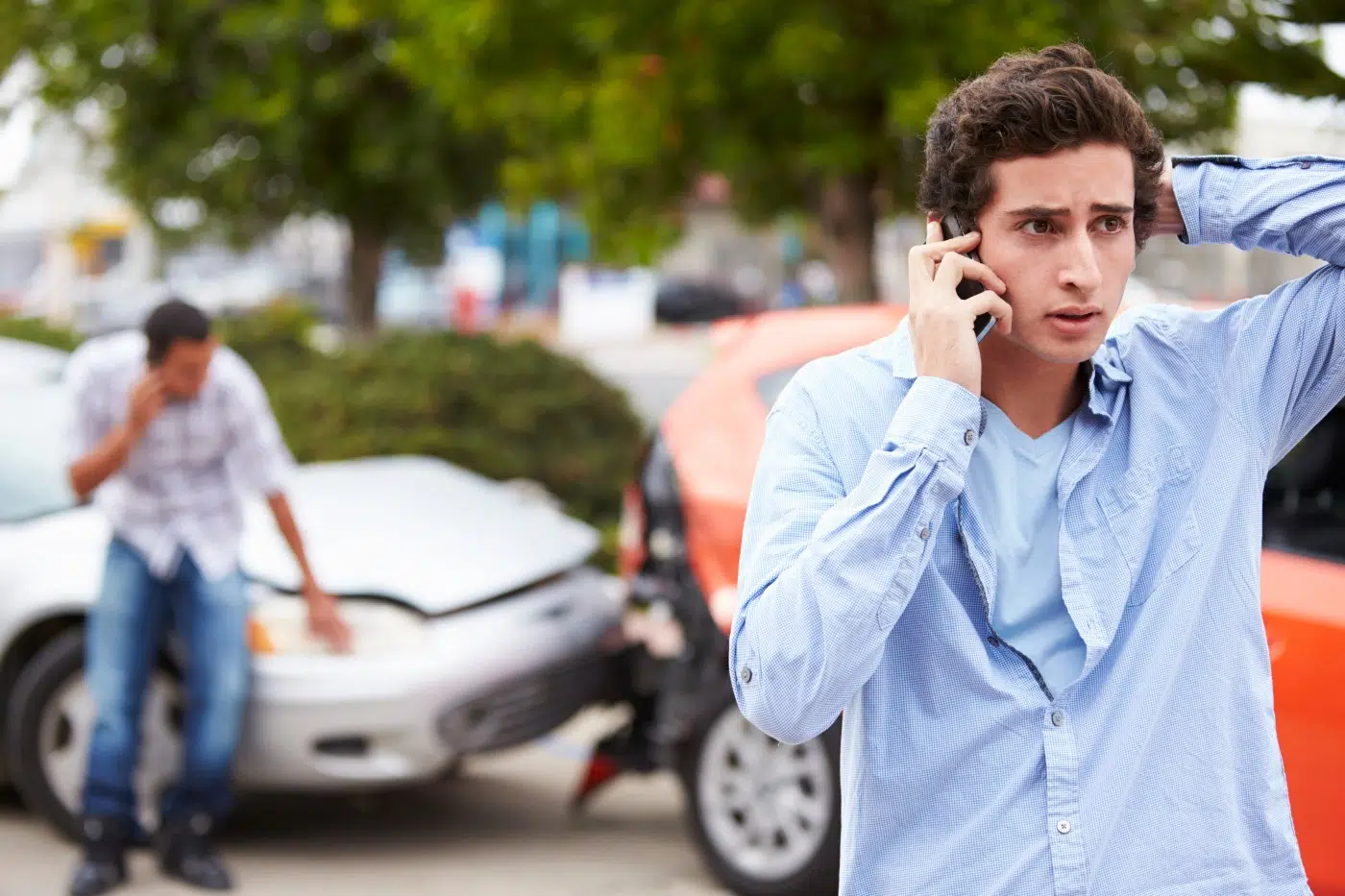
Parents should explain to their children that driving comes with significant responsibility. Parents may be held liable in certain situations, such as when they sign a minor’s driver’s license application or negligently allow an unfit driver to use their vehicle. Teenagers can be held responsible for accidents they cause, although liability may be shared with others depending on the circumstances.
This guide explains the legal driving age in Texas, the steps to obtain each type of license, and the restrictions that apply to young drivers.
What are the different types of Texas driving permits and licenses?
Texas uses a Graduated Driver License (GDL) program to ensure that young drivers have the necessary skills and qualifications to drive safely.
The GDL program includes a learner license phase and a provisional license phase for drivers under 18, followed by a standard unrestricted license once the driver turns 18.
The GDL program does not apply to motorcycle licenses. There may be additional or different requirements for out-of-state transfers.
Teens can drive in Texas at the following ages and under the following conditions:
Learner’s license
Applicants for a driver’s license who are under 18 must have a valid learner’s license or a minor restricted driver license (MRDL) for at least six months to be eligible for a provisional license.
Young drivers with a learner’s license must drive under the supervision of a licensed adult who is 21 or older and sits in the front passenger seat. The six months may be extended if the driver has any license suspensions or revocations.
Applicants must pass a written knowledge test and complete a classroom driver education course.
Provisional license
Drivers cannot obtain a provisional license in Texas until they reach the age of 16.
Eligibility for a provisional license also requires completing both:
- A Texas-approved driver education course (classroom and behind-the-wheel)
- The Impact Texas Teen Driver (ITTD) program
Drivers under 18 who have a provisional license must also meet the following requirements:
- Drivers may not have more than one passenger under age 21 who is not a family member in the vehicle.
- Drivers cannot drive between midnight and 5:00 am except for work, school, or emergencies.
- Drivers under 18 are prohibited from using wireless communication devices while driving, except in emergencies.
Hardship license
Drivers between 15 and 17 may be eligible for a minor’s restricted driver license (MRDL), also called a hardship license, where there is a showing of the necessity to drive. Holders of an MRDL must still complete all of the regular licensing requirements to obtain a provisional license and an unrestricted license.
Applicants typically must obtain a court order demonstrating hardship and meet driver education and testing requirements similar to those for a learner’s license.
Examples of qualifying necessity/hardship include an illness of an adult family member, economic hardship, and the need to drive to attend school.
Unrestricted driver’s license
Drivers under 18 who meet the provisional license requirements and drivers over 18 must still meet the following eligibility requirements to obtain an unrestricted driver’s license in Texas:
Documentation requirements
- Proof of US citizenship or lawful presence in the US (if not a US citizen)
- Proof of residency in Texas
- Proof of identity
- Social Security Number
- Evidence, for each vehicle the applicant owns, of the vehicle’s registration in Texas
- Proof of liability insurance for each vehicle the applicant owns, or a statement affirming that the applicant does not own a car
- Teen drivers must complete the Impact Texas Teen Driver (ITTD) program after finishing driver education and before taking the driving skills test
- Applicants aged 18 to 24 must take a six-hour adult driver education course
Generally, applicants can complete their requirements at a local Texas driver’s license office. In addition to the above requirements, applicants need to provide biometric information (signature and thumbprints), have their picture taken, pay the application fee, pass the vision test, pass a written test, and pass a driving test.
Drivers will be issued a temporary driver’s license until their permanent driver’s license arrives.
How can parents help their teenagers drive safely?
Parents should explain to their children the consequences for violating any Texas driving laws. They should explain what steps to take if the teenager is involved in an accident (such as calling the police, exchanging driver’s license information, vehicle registration information, insurance information, and contact information).
Parents should also discuss with their children the following dangers that can contribute to car accidents:
- Driver distraction. Teenagers should have both hands on the steering wheel, their eyes on the road, and know how to respond to emergencies. Parents should emphasize just how dangerous it is to text while driving, talk on a mobile phone while driving, eat, drink, or do anything that takes their focus off of their driving.
- Speeding. Parents should impress on teenagers that they should never speed, race with other cars, or drive too fast for the weather or traffic conditions.
- Drunk driving. Drunk driving is a leading cause of accidents, deaths, and injuries across the country. Many teens try alcohol when they’re with their friends, but they need to understand that it is never okay to drink and drive.
Contact our San Antonio car accident lawyers if your child was in an accident
At Pat Maloney: Accident & Injury Attorney, we have 40 years of experience handling car accident claims. We understand when and why parents may be liable for an accident that their children cause. We can also file claims on behalf of children when other drivers are responsible for harming your child.
Please contact us to schedule a free consultation. We handle car accident cases on a contingency fee basis. We’re ready to protect you and your child.

Pat Maloney, Jr. is a skilled San Antonio personal injury lawyer who has acted as lead counsel and co-counsel in many multi-million dollar verdicts throughout Texas. Pat Maloney represents people injured in car accidents, truck accidents, construction accidents and more. He is well known for his expertise in representing victims of serious personal injuries and has participated as a lecturer in the field of personal injury litigation. He has been named as one of the “Best Lawyers in America” Reference Book every year for the last five years.