
Construction Accidents in San Antonio: Urban Projects & Local Risks
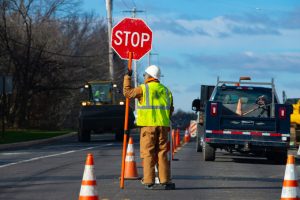 San Antonio is seeing major growth in urban development. From the downtown redevelopment of the Alamo Plaza area and the 16-acre mixed-use blocks to large new commercial and infrastructure works, dozens of big-ticket projects are underway. The skyline is changing fast, but with that comes an increased risk of construction accidents.
Job sites with many trades, heavy equipment, high platforms, countless subcontractors, and tight schedules create the increased possibility of job-related injuries.
What major projects in San Antonio say about the scale of work
Construction remains one of the most dangerous industries nationwide, in Texas, and in San Antonio. A recent study shows Texas leading the nation in construction fatalities since 2011, with 1,100 deaths. This figure serves as a sobering reminder for workers, subcontractors, general contractors, and project owners in and around San Antonio that risk is ever-present
To understand where risks emerge, it helps to look at some of the largest developments driving San Antonio’s current building boom. Several large-scale undertakings in the city help illustrate why construction-accident risk is high in urban projects:
- UTSA’s San Pedro II – an 180,000 square-foot downtown expansion scheduled to open in 2026.
- The Alamo Plaza redevelopment – a multi-phase historic preservation and public space running through 2027.
- Mixed-use urban hubs – retail, hospitality, and housing projects tie into infrastructure and transit upgrades citywide.
All of these projects, mentioned above or not, require elevated workflows. Each increases the potential for work-site hazards.
Local factors in San Antonio that increase risk
In addition to the usual construction hazards, the city’s unique characteristics make safety harder.
Urban proximity
Many sites are within dense downtown areas or near major thoroughfares. These locations mean pedestrian traffic, vehicles, public utilities, and constrained spaces, all of which add complexity.
Multiple subcontracting layers
Large projects often involve several tiers of subcontractors, which can create communication breakdowns in safety oversight. Differing safety standards between companies commonly result in inconsistent training and enforcement across project sites.
Infrastructure work
When roads and utilities are expanded, the risk of trench collapses or vehicle-related incidents goes up. During excavation, workers may potentially be in danger from live utilities or unstable soil.
Texas weather
San Antonio’s summer heat can make people tired and dehydrated, which can lead to accidents. Sudden changes in the weather, including heavy rain or strong wind gusts, can also make surfaces slick or make machinery less stable.
Accelerated timelines
Sometimes, tight deadlines and the need to deliver on time, or even ahead of schedule, lead to shortcuts that put safety at risk. Long hours of overtime can make workers tired, which raises the likelihood of mistakes.
Safety standards and regulatory framework in Texas
Knowing what rules apply and who enforces them is critical for protecting construction workers in San Antonio. Although Texas doesn’t operate its own OSHA-approved state plan, it’s subject to federal OSHA standards for private-sector work. Key aspects include:
- OSHA’s 29 CFR 1926 standards, covering fall protection, scaffolds, electrical hazards, and trenching. Falls alone made up 37% of construction deaths in 2021.
- The Texas Department of Insurance – Division of Workers’ Compensation promotes OSHA-10 training and provides safety education resources for Texas construction workers.
- The Safety@Work newsletter tracks Texas’s most frequently cited OSHA violations.
On major San Antonio projects, many general contractors now adopt stricter standards than federal minimums. Daily safety meetings, PPE audits, and subcontractor safety plans are becoming the norm.
Common accident types in San Antonio construction
Knowing what kinds of incidents happen most often can help workers stay alert and aware on-site.
Falls from height
Roof, ladder, and scaffold falls remain the top cause of construction fatalities. These incidents often occur when guardrails, harnesses, or tie-offs are missing or improperly used.
Struck-by or dropped objects
Overlapping trades and congested worksites create danger from falling materials and equipment. Even a small hand tool dropped from a few stories can cause serious or fatal injuries below.
Electrocutions
Contact with live wires or overhead lines is a recurring issue in tight urban zones. Insufficient grounding or failure to locate buried lines before digging often leads to these accidents.
Caught-in/between incidents
Trenching and heavy-equipment work pose both collapse and entrapment risks. Workers can be pinned down between moving machinery or trapped when unstable soil or materials shift unexpectedly.
Work-zone vehicle collisions
Moving machinery and passing traffic contribute to serious roadway accidents. Limited visibility and distracted drivers near active construction zones add to the danger.
What injured workers should know (and proactively do)
If a construction accident occurs, knowing the right next steps can help protect both your health and your legal rights. If you have been hurt on a San Antonio construction site:
- Report the injury promptly and seek immediate medical care.
- Document the scene with photos, videos, notes, and witness information.
- Verify whether the project had a written safety plan in place and detailed training records.
- Determine which party (general contractor, subcontractor, or site owner) oversaw safety, as this may affect liability.
Since many projects involve multiple contractors, identifying responsibility sooner than later can shape the success of a future claim.
Getting legal help after an accident
A construction accident lawyer can help identify who was responsible for unsafe conditions and guide you toward recovery. After a construction accident, legal counsel can examine whether:
- OSHA standards were violated;
- The general contractor properly managed subcontractors; and
- Site inspections, equipment maintenance, or safety briefings were neglected.
Why safety vigilance matters
Ultimately, safety isn’t all about compliance. It’s about protecting lives on San Antonio worksites. On large urban projects, the stakes are high: a single misstep can lead to catastrophic results. From fall-protection harnesses to trench-inspection logs, each and every precaution matters.
Accordingly, employers should prioritize a “safety culture” that empowers workers to speak up about hazards and ensures that daily protocols are followed.
Talk with a San Antonio construction accident attorney
If you or a loved one suffered a construction-site injury in San Antonio, our team is ready to review your case. At Pat Maloney, we can help evaluate the incident, inspect site-safety records, and discuss your legal options. Please contact our firm through our contact us page to schedule a consultation.

Pat Maloney, Jr. is a skilled San Antonio personal injury lawyer who has acted as lead counsel and co-counsel in many multi-million dollar verdicts throughout Texas. Pat Maloney represents people injured in car accidents, truck accidents, construction accidents and more. He is well known for his expertise in representing victims of serious personal injuries and has participated as a lecturer in the field of personal injury litigation. He has been named as one of the “Best Lawyers in America” Reference Book every year for the last five years.